
Pokies Variance Simulator Review: How Random Spreads Shape Your Session
If you have ever sat through a long dry patch at a Perth club and wondered whether the machine was just running cold or you were simply unlucky, you are already thinking about variance. That is exactly what a pokies variance simulator tries to make visible before you commit real money. I have spent two decades building customer operations across regulated markets, and the same discipline that keeps multilingual support queues stable applies here: measure the spread, set the guardrails, and stop confusing a short run with a broken product. This review walks through how these simulators actually work, where they help, and where the limits bite.
What a Variance Simulator Actually Measures
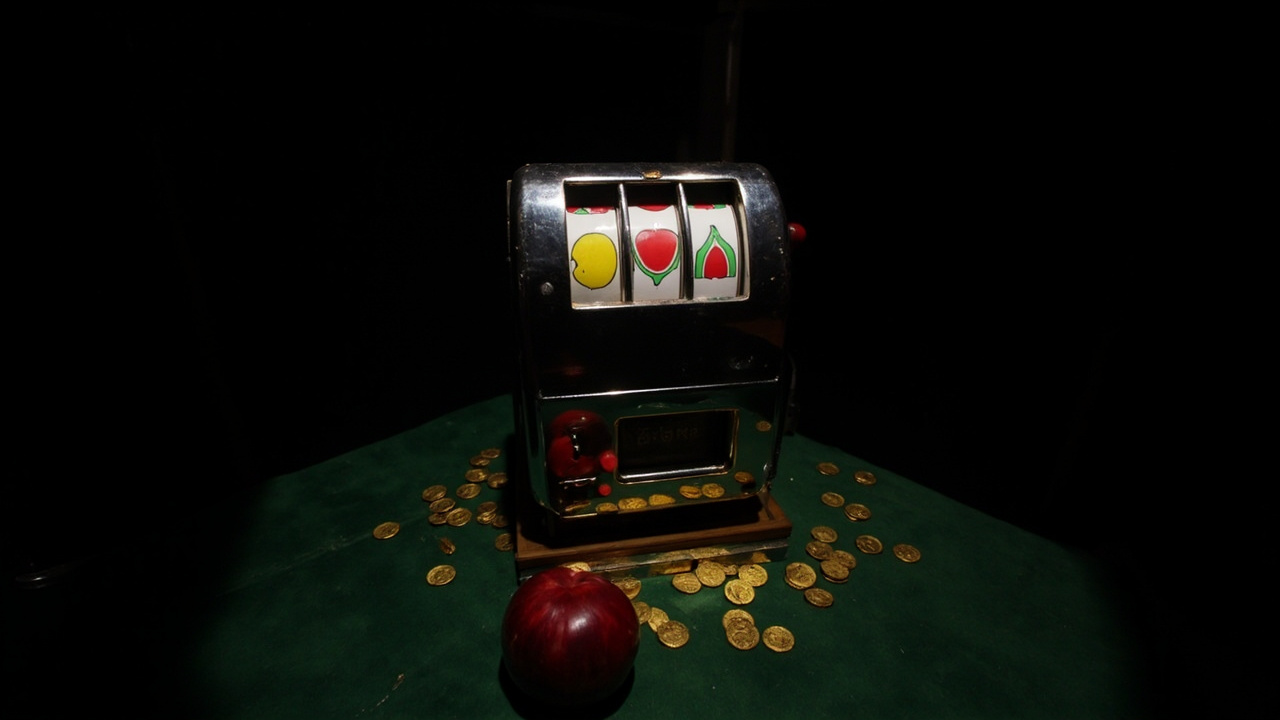
A pokies variance simulator does not predict outcomes or tell you which spin is next; it models the statistical spread you can expect from a game’s return-to-player profile over repeated trials. Think of it like the dots on dice called pips – each one marks a fixed value, and the simulator’s job is to show how those values cluster or scatter across thousands of spins rather than one lucky moment. The tool takes published RTP figures, hit-frequency data, and volatility bands, then runs repeated samples so you can see how often a session might deliver short bursts, long flat stretches, or the occasional larger payout. For a beginner, the practical value is calibration: you learn whether a game’s design is built for frequent small returns or rarer larger ones, which shapes bankroll pacing far more than any superstition. The catch is that a simulator only reflects the parameters it is fed, so if the underlying game data is stale or the model ignores bonus-game variance, the picture will look cleaner than reality.
How the Simulator Fits Into Real Play
Reading the spread before you sit down
When I have rolled out regulated service teams across multiple jurisdictions, the first rule is always the same: never promise a customer a result the system cannot reliably deliver. A pokies variance simulator works on the same principle by showing the range of possible sessions instead of a single promised outcome. You load the game profile, set a spin count that matches a realistic sitting – say a couple of hours at a Saturday arvo – and watch how the simulated balance wobbles. The output usually highlights how often a bankroll might dip below a threshold you set, which is the part most players skip. That dip frequency matters more than the headline return because it tells you whether the game’s volatility matches your tolerance for a slow patch. If the model shows frequent deep drawdowns, you either shorten the session, reduce the per-spin commitment, or pick a different title. The simulator is useful precisely because it replaces gut feel with a visible spread, but it cannot smooth out the fact that short runs still swing wildly.
Where the model meets real limits
No simulator can replicate every live condition, and that is where the trade-offs show up. Wagering requirements on welcome offers, for instance, change how a simulated session translates to actual play because bonus funds often contribute differently to clearance than cash balances. A typical offer might set a multiplier on turnover, cap eligible games at a lower contribution rate, and exclude certain high-variance titles from the bonus pool altogether. Eligibility rules also bite: age checks, geo-verification, and account verification all gate access before you ever reach the spin button, which means the simulator’s neat curve does not account for the friction that slows real entry. Payment timing is another gap – deposits and withdrawals move on processing windows, not on a simulated clock, so the model cannot show how a pending payout or a daily withdrawal limit reshapes your usable balance. Recurring promos can soften a dry patch with free spins or reload incentives, but those usually carry their own caps, expiry windows, and game restrictions, so the simulator should be read as a planning tool rather than a promise of how a promotion will feel in practice.
What the numbers cannot tell you
The clearest limit is that variance modelling is backward-looking by design: it explains how a game has been built to pay, not what any single sitting will deliver. I have seen regulated operations get into trouble when staff treated a statistical average as a customer guarantee, and the same mistake shows up when players treat a simulator’s median curve as a session forecast. A model can tell you that a title is tilted toward rarer larger events, yet it still cannot tell you whether those events cluster on your first ten spins or your last ten. Game updates, reel-set changes, and provider tweaks can shift the profile over time, so a simulator built on older data may paint a slightly different picture than the live version. The useful habit is to treat the output as a sizing tool – it helps you match stake, session length, and game choice to the kind of swing you are comfortable sitting through – while remembering that the actual experience still includes the ordinary noise of chance.
Who This Approach Suits Best
A pokies variance simulator is most useful for players who want to plan a session around their own comfort rather than chase a vague notion of a hot machine. If you are the sort who prefers to know how often a balance might dip before you commit, the tool gives you a way to test that question against a game’s published profile. It suits players who are willing to treat volatility as a pacing decision – shortening sessions, lowering per-spin stakes, or rotating to a steadier title when the model shows a rougher spread. It is less useful for anyone looking for a shortcut around verification, geo-checks, or wagering terms, because those are real conditions that shape what you can actually play and cash out. I have managed support queues where the most common escalation was not a broken game but a mismatched expectation, and the same pattern appears here: the simulator helps when you use it to align your session with the game’s design, not when you expect it to smooth out chance itself. If you want a related look at how simulation thinking carries over to other chance games, you can read a Keno strategy simulator built for Chicken Road 2 players, which follows a similar idea of modelling spread before committing. Keno Strategy Simulator Thinking For Chicken
For players in Perth who often pop into a local club for an arvo session, the practical takeaway is simple: use the simulator to pick a game whose swing matches the time and bankroll you actually have, then leave room for the ordinary ups and downs that no model can remove. That way the tool earns its keep as a planning aid, and you are not mistaking a statistical picture for a promise.
If you want to test the model against a real operator before you play, https://badreedband.com/ lays out the registration steps, payment currencies, and bonus structure in one place so you can compare the simulator’s picture with the actual terms on offer.